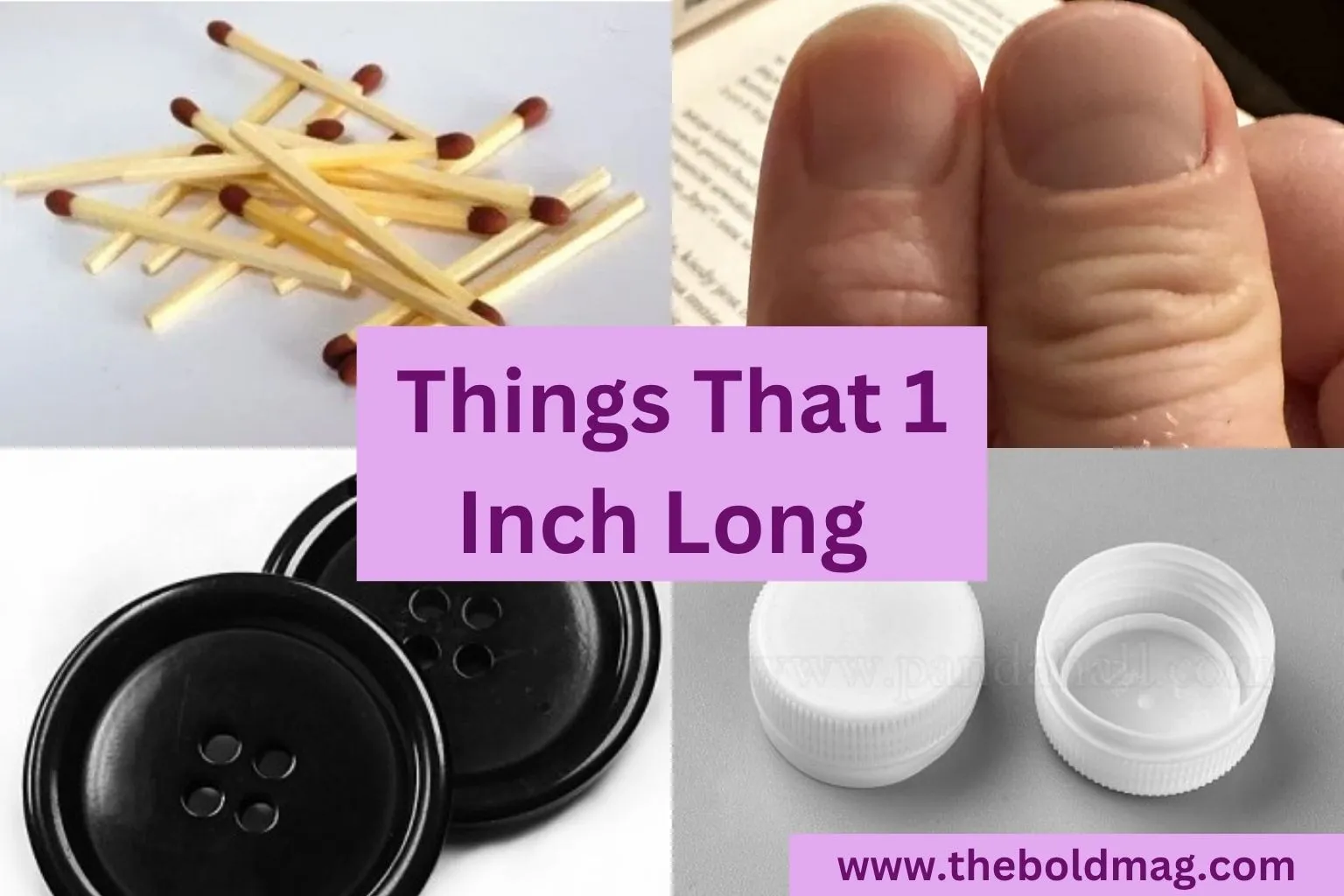
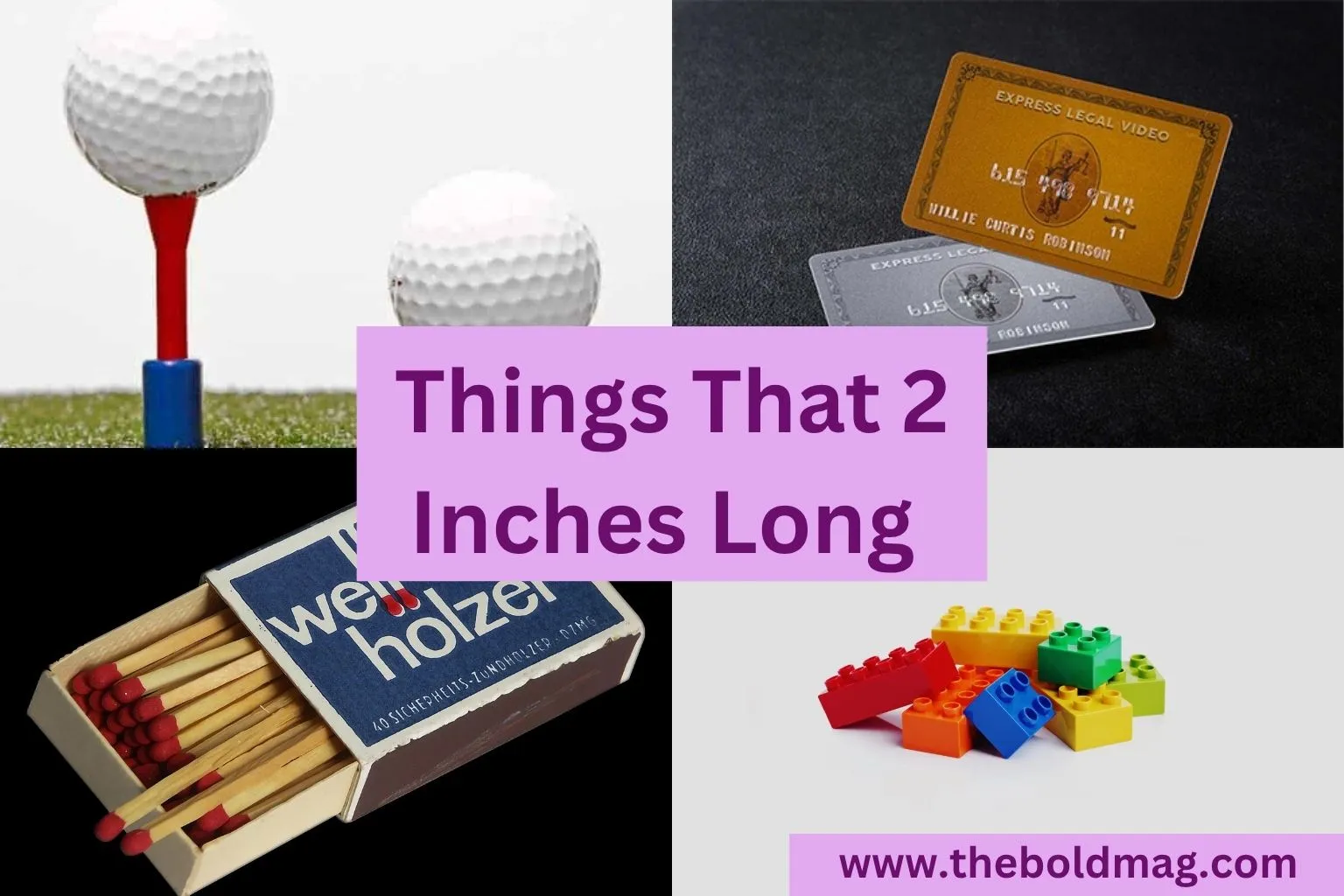
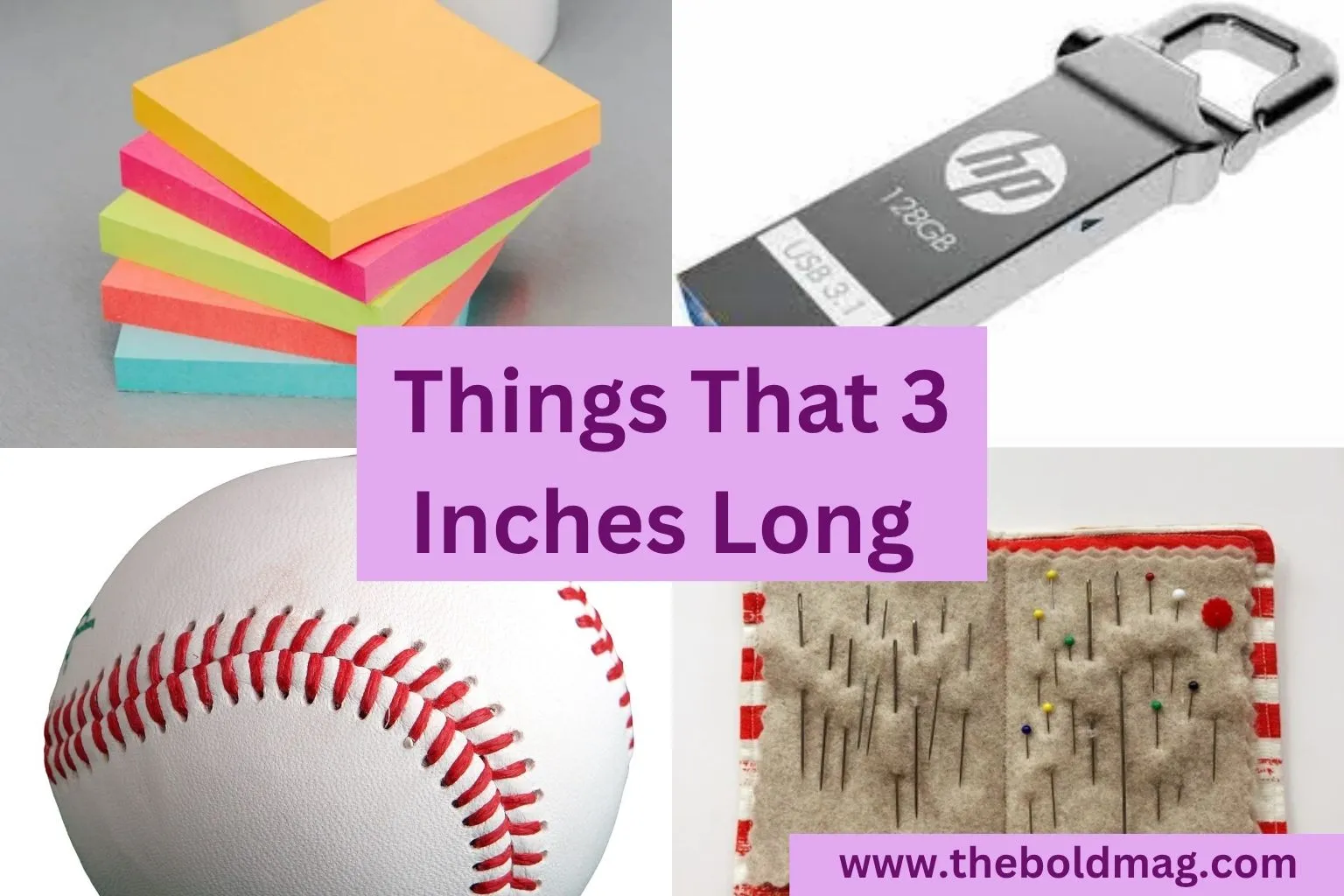
15 Everyday Objects That Are About 1.5 Inches Long

Understanding 1.5 inches is useful in everyday life. While 1.5 inches = 3.81 centimeters = 38.1 millimeters, it can still be difficult to picture such a small measurement without real-world examples.
Whether you are shopping online, crafting, measuring small accessories, organizing office supplies, or handling DIY projects, knowing what 1.5 inches looks like can help you estimate sizes more accurately.
This guide gives a complete real-world view of 1.5 inches using familiar household objects, office items, coins, tools, and body references. By the end, you will be able to visualize 1.5-inch measurements more confidently without always needing a ruler.
What Does 1.5 Inches Look Like?
A simple way to picture 1.5 inches is to imagine the diameter of a bottle cap or the width of two stacked coins. Another easy comparison is the size of a small paper clip or the length of a postage stamp.
You can also think of compact objects like a USB connector, a keychain accessory, or a shirt button. These familiar items make 1.5 inches easier to understand in daily life.
If you want to compare smaller or slightly larger measurements, our guides on 1-inch everyday objects can help improve your visual estimation.
Quick Facts About Inches
- 1.5 inches = 3.81 cm = 38.1 mm.
- 1.5 inches equals one-eighth of a foot.
- Inches are commonly used for accessories, office supplies, electronics, and crafts.
- Real-world references make small measurements easier to visualize without a ruler.
Conversion Table: 1.5 Inches to Other Units
1.5 inches can be converted into other units as:
| Unit | Value |
| Centimeters | 3.81 cm |
| Millimeters | 38.1 mm |
| Feet | 0.125 feet |
| Yards | 0.042 yards |
Knowing these conversions is useful when comparing product dimensions or understanding metric measurements.
Related: Objects that are 3 inches long
15 Objects That Are 1.5 Inches Long
Here is the list of everyday objects that are about 1.5 inches:
- Bottle Cap Diameter
- Small Paper Clip
- USB Flash Drive
- Shirt Button
- Keychain Accessory
- Postage Stamp Length
- Small Binder Clip Width
- Thumb Width Plus Extra Space
- Small Toy Car Length
- Coin Stack Height
- Lip Balm Container Width
- Small Eraser
- Watch Face Diameter
- Compact Candle Width
- Small Zipper Pull
1. Bottle Cap Diameter
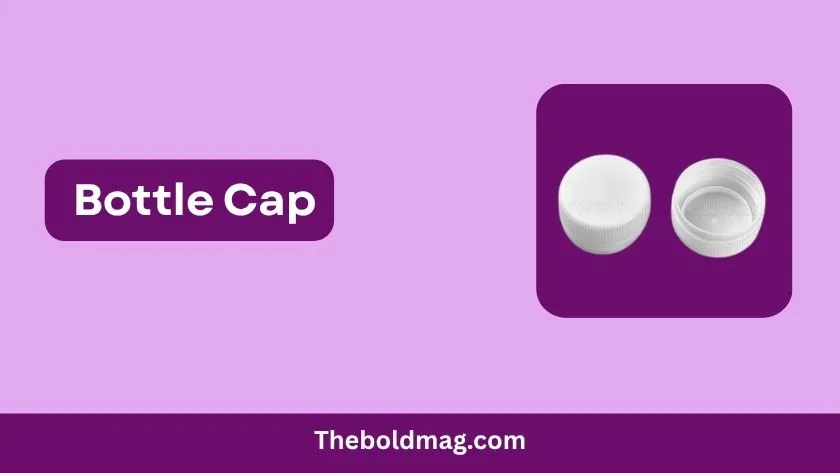
Many beverage bottle caps measure close to 1.5 inches across. Since people handle bottles daily, their size becomes very familiar. My father often used bottle caps while fixing small DIY projects around the house. Their circular shape makes them useful for visualizing compact dimensions.
2. Small Paper Clip
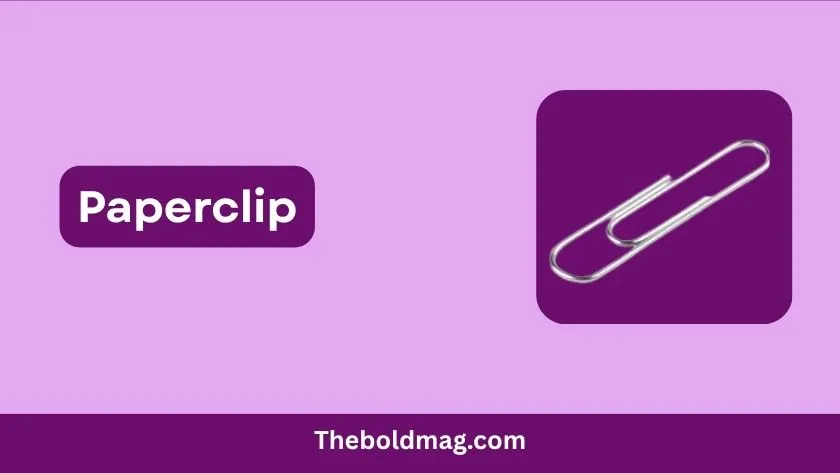
Certain small paper clips measure around 1.5 inches long. These clips are commonly used in schools, homes, and offices for organizing papers. Because they are handled frequently, their size becomes easy to recognize. Their thin shape also makes them a practical measuring reference.
3. USB Flash Drive
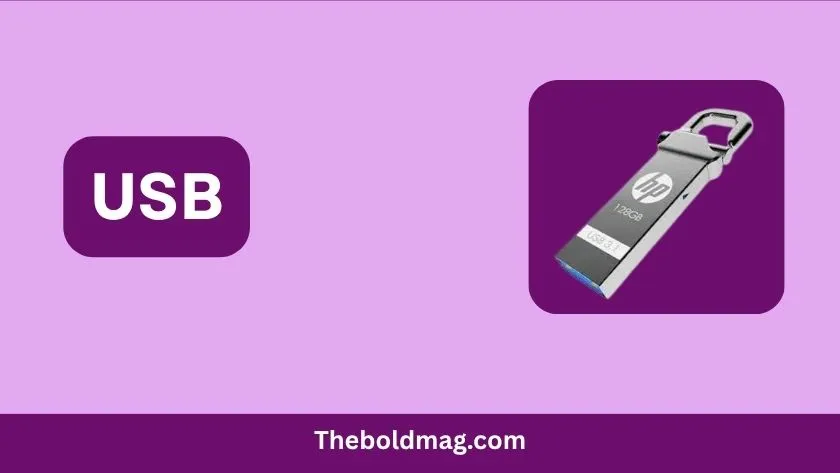
Many compact USB flash drives are approximately 1.5 inches long. These devices are commonly carried in pockets, bags, and desk drawers. Their small rectangular shape makes them easy to compare with electronics and accessories. They are especially useful for visualizing tech-related measurements.
4. Shirt Button
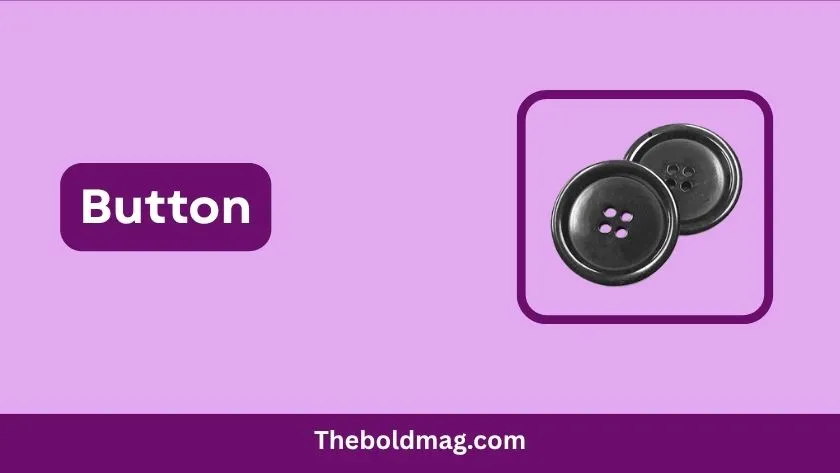
Large shirt or coat buttons can measure close to 1.5 inches in diameter. Since buttons are part of everyday clothing, people naturally become familiar with their size. My grandmother kept extra buttons stored in small sewing boxes for repairs. Their round shape provides a useful comparison for tiny objects.
5. Keychain Accessory
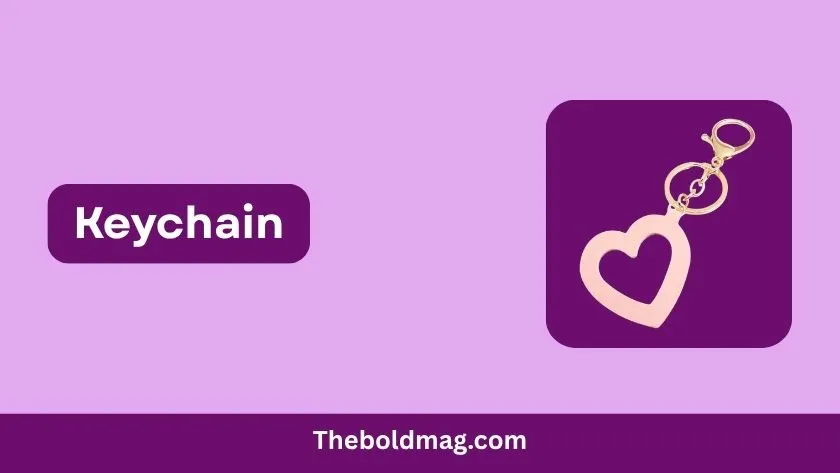
Some decorative keychain charms or accessories measure around 1.5 inches long. These are commonly attached to bags, keys, and zippers. Their compact size makes them easy to carry and compare with other small objects. They are practical references for personal accessories.
6. Postage Stamp Length
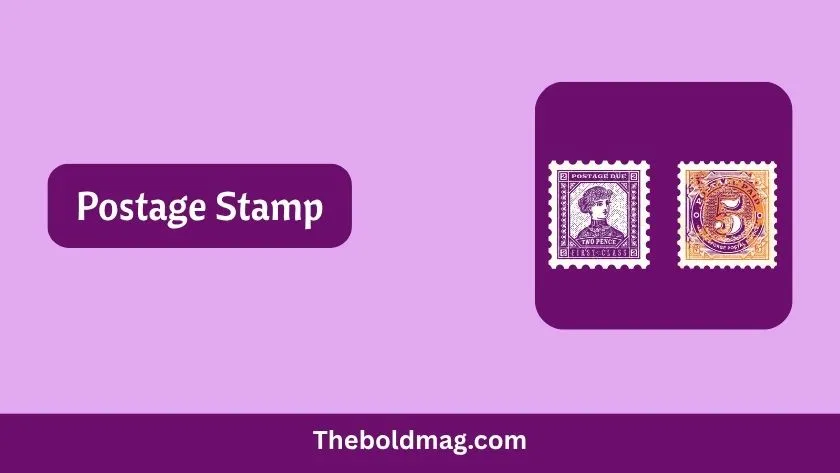
Certain postage stamps measure close to 1.5 inches on one side. Since stamps are used for mailing letters and packages, their dimensions feel familiar. Their flat rectangular shape also makes them useful for visualizing paper-based measurements. They provide a quick comparison without needing a ruler.
7. Small Binder Clip Width
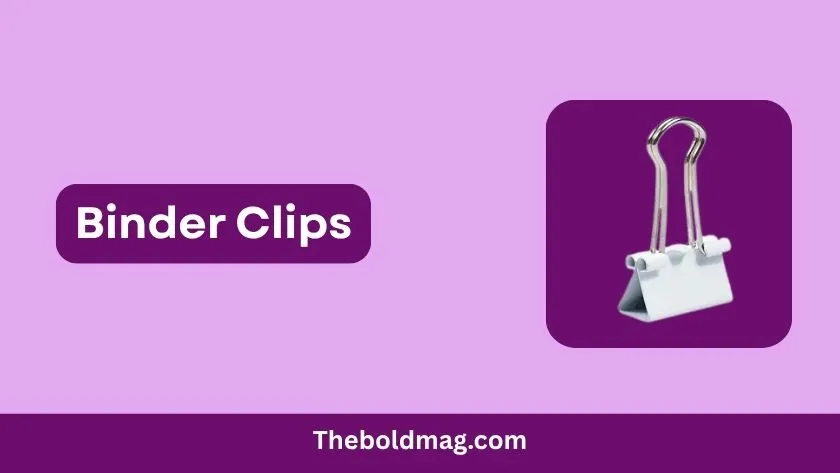
The width of a compact binder clip may measure around one and a half inches. These clips are commonly used in offices and schools for holding documents together. My grandfather often kept binder clips neatly arranged in his desk drawer. Their size makes them a practical office reference.
8. Thumb Width Plus Extra Space
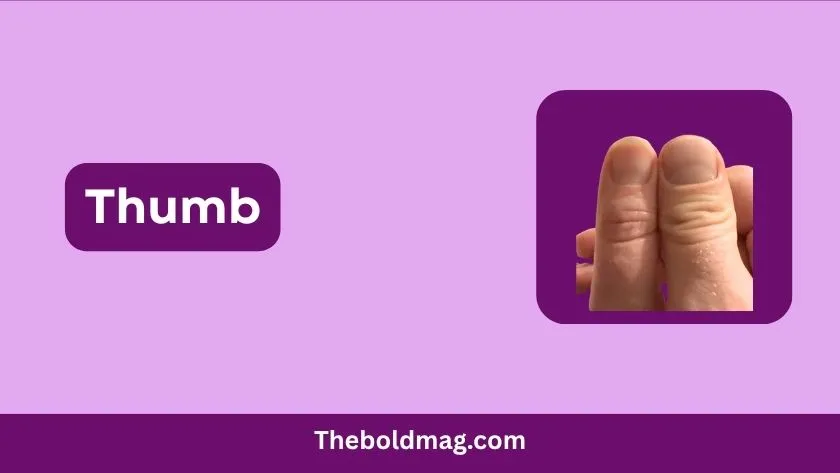
For many adults, thumb width is about 1 inch, and adding a little more space gives approximately 1.5 inches. This body-based estimate is useful when no measuring tool is available. People naturally use their hands to estimate dimensions during daily tasks. Although thumb sizes vary, it remains a convenient comparison.
9. Small Toy Car Length
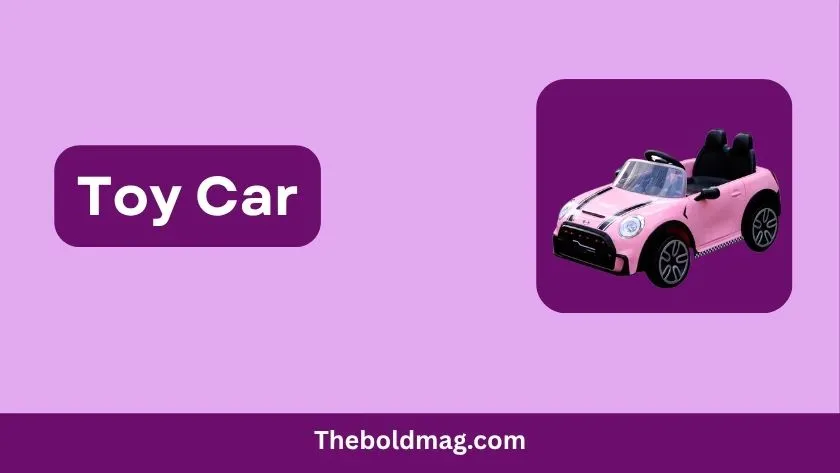
Some miniature toy cars measure around 1.5 inches long. These toys are commonly found in children’s collections and playsets. Because they are compact and easy to handle, their size becomes familiar over time. They help visualize short rectangular dimensions.
10. Coin Stack Height
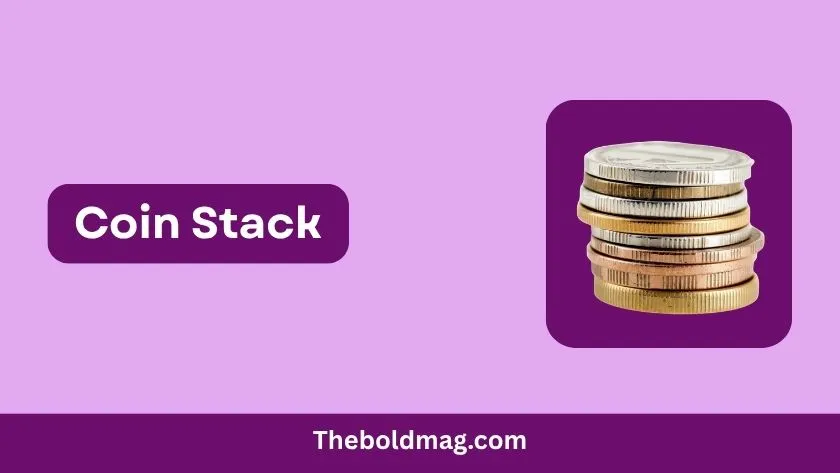
A small stack of coins can measure approximately 1.5 inches high. Coins are everyday objects that people naturally recognize by size and weight. This comparison is useful for visualizing vertical measurements. It also helps estimate tiny household dimensions.
11. Lip Balm Container Width
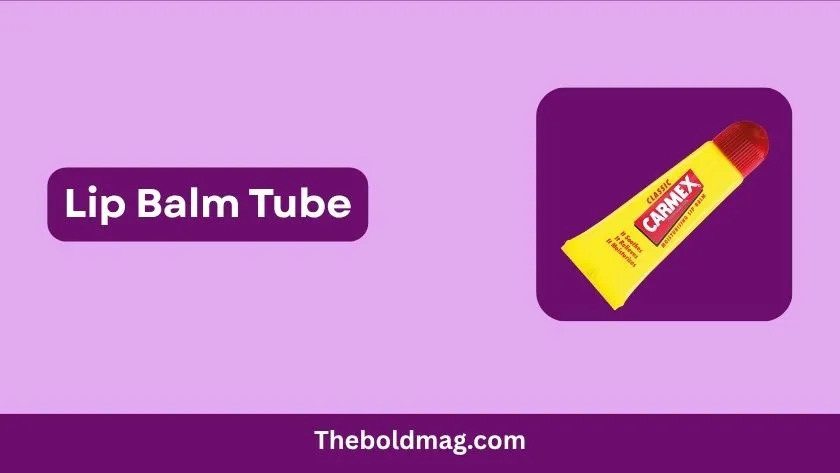
Some lip balm containers measure close to 1.5 inches across. These items are commonly carried in handbags, pockets, and travel kits. Since people use them frequently, their dimensions become easy to remember. Their cylindrical shape also helps compare compact personal-care items.
12. Small Eraser
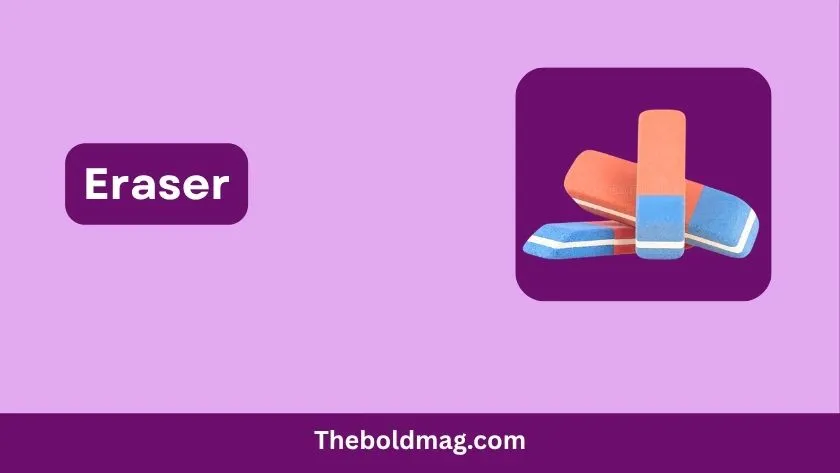
A compact eraser can measure around 1.5 inches long. Students and artists often use erasers of this size for schoolwork and sketches. My father kept a small eraser beside his notebooks for quick corrections. Their straight form makes them practical measurement references.
13. Watch Face Diameter
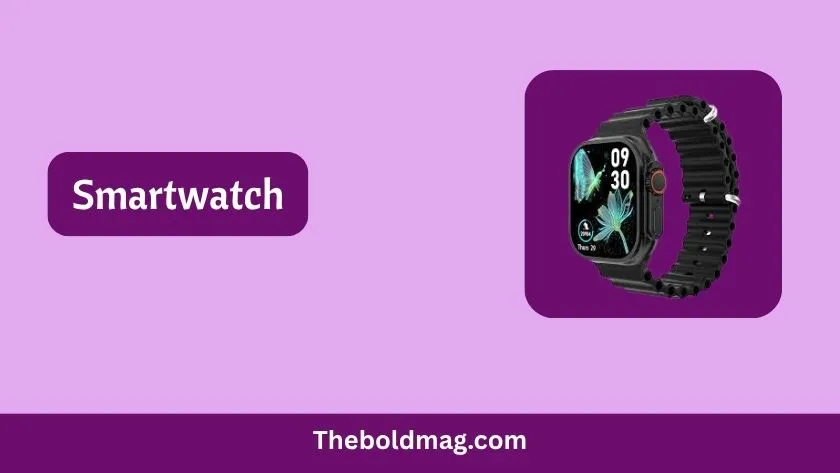
Some wristwatch faces measure close to 1.5 inches in diameter. Watches are worn daily, making their dimensions familiar to many people. Their round design helps visualize circular objects more clearly. They are useful for estimating accessories and wearable items.
14. Compact Candle Width
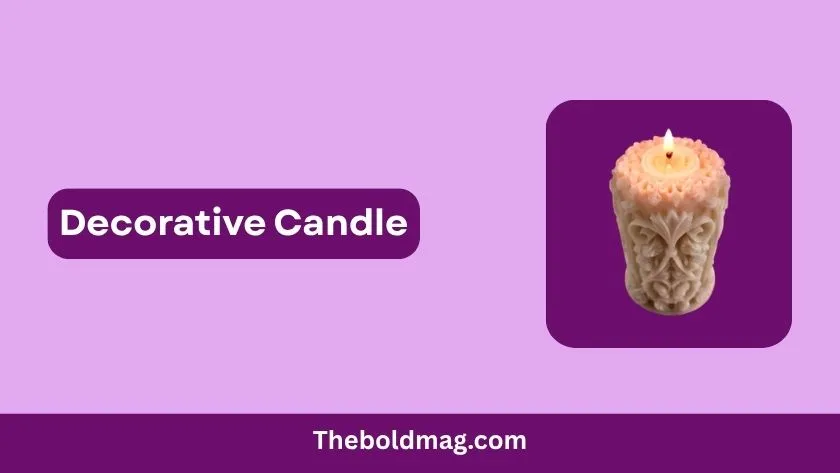
Small decorative candles can measure approximately 1.5 inches wide. These candles are commonly used for decoration, events, and relaxation. Their compact shape makes them easy to compare with household décor items. They provide another practical, real-world reference.
15. Small Zipper Pull
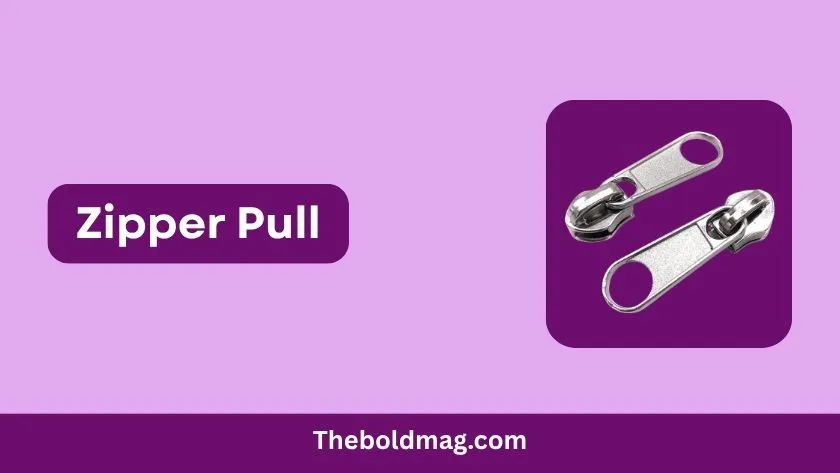
A zipper pull on a backpack or jacket may measure around 1.5 inches long. These pulls are used daily while opening bags, jackets, and luggage. Their narrow design makes them easy to compare with other tiny accessories.
Related: How Long Is 6 inches – Real-Life Examples and Comparisons
How to Measure 1.5 Inches Without a Ruler?
You do not always have a ruler nearby. Here are practical ways to estimate one and a half inches:
Bottle Cap Diameter: Many beverage bottle caps are close to this size.
Two Coins Together: Stacking or aligning coins can help approximate 1.5 inches.
Small Paper Clip: Some compact paper clips measure near this length.
Thumb Width: For some adults, thumb width is around 1 inch, so adding a little extra gives about 1.5 inches.
USB Flash Drive: Many small flash drives are close to this size.
These references are useful for crafts, office work, shopping, and quick household measurements.
Best Everyday Visual References for 1.5 Inches
Here are some of the most useful visual references for 1.5 inches:
- Bottle Cap Diameter
- Small Paper Clip
- USB Flash Drive
- Shirt Button
- Keychain Accessory
- Thumb Width Plus Extra Space
- Postage Stamp Length
- Small Binder Clip Width
If an item feels only slightly larger than this size, comparing it with our 2.5-inch object examples can help you estimate dimensions more accurately.
1.5 Inches in Real-Life Situations
Crafting & Sewing: Buttons, binder clips, and small erasers help estimate 1.5-inch measurements.
Office & School: Paper clips, stamps, and USB drives provide useful visual comparisons.
Shopping Online: Knowing 1.5 inches helps compare accessories, gadgets, jewelry, and household products. If an item appears slightly smaller, checking it against 2-inch object references can improve accuracy.
Travel & Accessories: Lip balm containers, zipper pulls, and keychain charms are common examples near this size.
DIY & Repairs: Bottle caps and small tools help estimate compact dimensions during projects.
Conclusion
Visualizing 1.5 inches becomes much easier when you compare it with familiar objects such as a bottle cap, paper clip, USB flash drive, button, or zipper pull. These everyday references help create a practical understanding of small measurements in daily life.By using these examples, you can estimate 1.5-inch dimensions more confidently for shopping, organizing, crafting, sewing, and DIY projects.
FAQs
Q: How long is 1.5 inches?
A: 1.5 inches equals 3.81 centimeters or 38.1 millimeters.
Q: How can I measure 1.5 inches without a ruler?
A: You can use a bottle cap, paper clip, USB drive, or thumb width as rough references.
Q: What are examples of 1.5-inch objects?
A: Examples include a bottle cap, a shirt button, a small eraser, a zipper pull, and a USB flash drive.
Q: Why is knowing 1.5 inches useful?
A: It helps with crafts, shopping, office work, DIY projects, and estimating small household items.
Q: Is 1.5 inches close to 2.5 inches?
A: No. A 2.5-inch object is noticeably larger, which is why comparing both measurements helps improve visual estimation.